
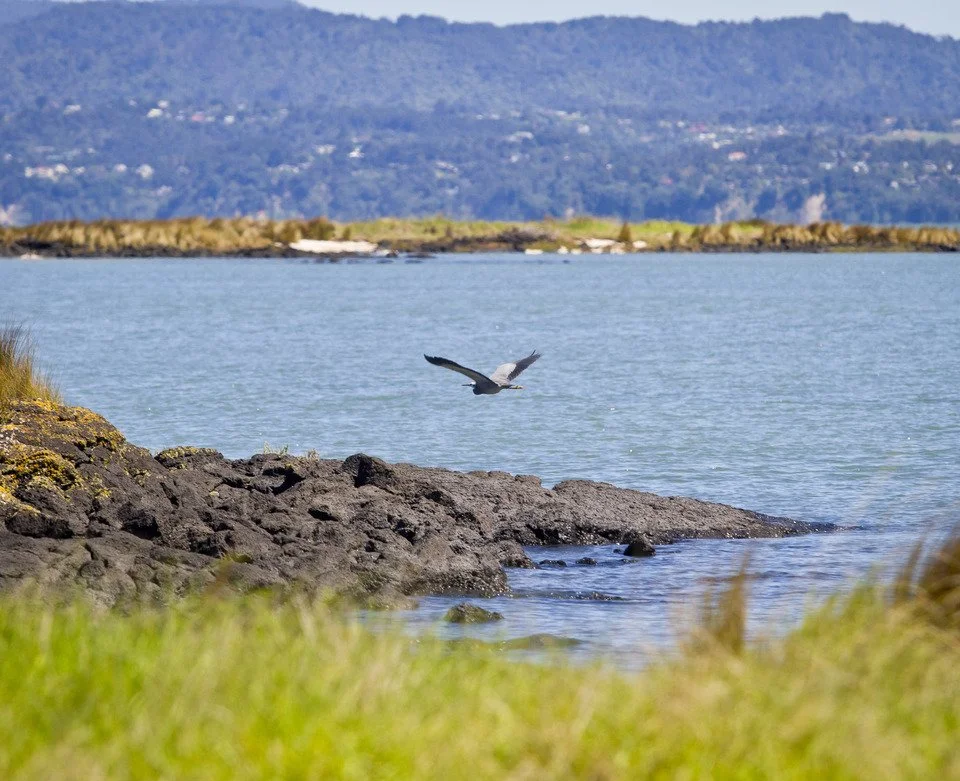
Stories, Names, and Living Histories of the Manukau Harbour
A harbour of food, travel, and settlement
For generations, the Manukau was a major source of kai. Its shallow intertidal flats, channels, estuaries, and coastal margins provided pipi, tuangi/cockles, tio/oysters, kūtai/mussels, pāpaka/crab, mud snails, and many other shellfish. Fish species traditionally associated with the harbour and wider coastal area include mango/shark, whai/stingray, tuna/eel, pātiki/flounder, tāmure/snapper, kanae/mullet, kahawai, pioke/dogfish, and other seasonal species.
This abundance was not taken without knowledge or restraint. Fishing and gathering required an understanding of tides, water temperature, migration, spawning, seasons, and the condition of each place. The harbour was understood through practice: where to gather, when to leave areas alone, when fish entered or left the harbour, and how to ensure resources could replenish for future generations.
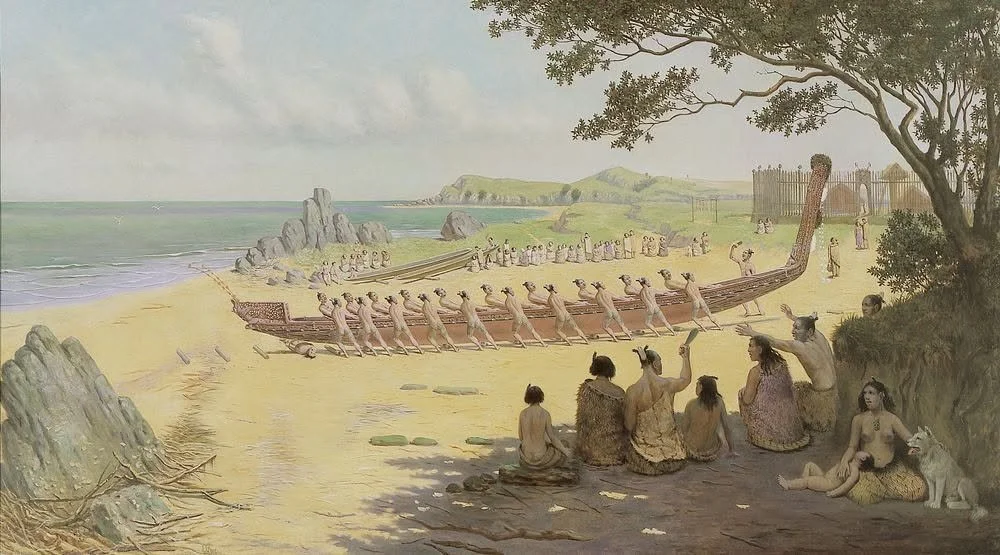
The harbour was also a major transport route. Waka travel connected kāinga, pā, gardens, fishing grounds, and wider trade networks across Tāmaki Makaurau. One of the most significant transport links was Te Tō Waka, the portage between the eastern Manukau at Māngere Inlet and the Tāmaki River at Ōtāhuhu. This short overland passage connected the Tasman Sea side of Tāmaki to the Waitematā and Tīkapa Moana/Hauraki Gulf, making the isthmus a key place of movement, exchange, and strategic settlement.
The Manukau Harbour is one of the great ancestral harbours of Tāmaki Makaurau. For mana whenua, it is not only a body of water. It is a living taonga with mauri, mana, whakapapa, histories, names, kāinga, mahinga kai, tauranga waka, wāhi tapu, and enduring responsibilities of kaitiakitanga. The Harbour is known through many ancestral names and traditions. These names are not interchangeable labels; each carries its own whakapapa, relationship, and history.
Known in many traditions as Te Mānukanuka o Hoturoa, the harbour carries the memory of Hoturoa, captain of the Tainui waka. One explanation of the name recalls the anxiety or apprehension felt by Hoturoa as Tainui approached the Manukau Heads, where strong tides, shifting sand bars, and dangerous waters required deep knowledge and careful navigation.
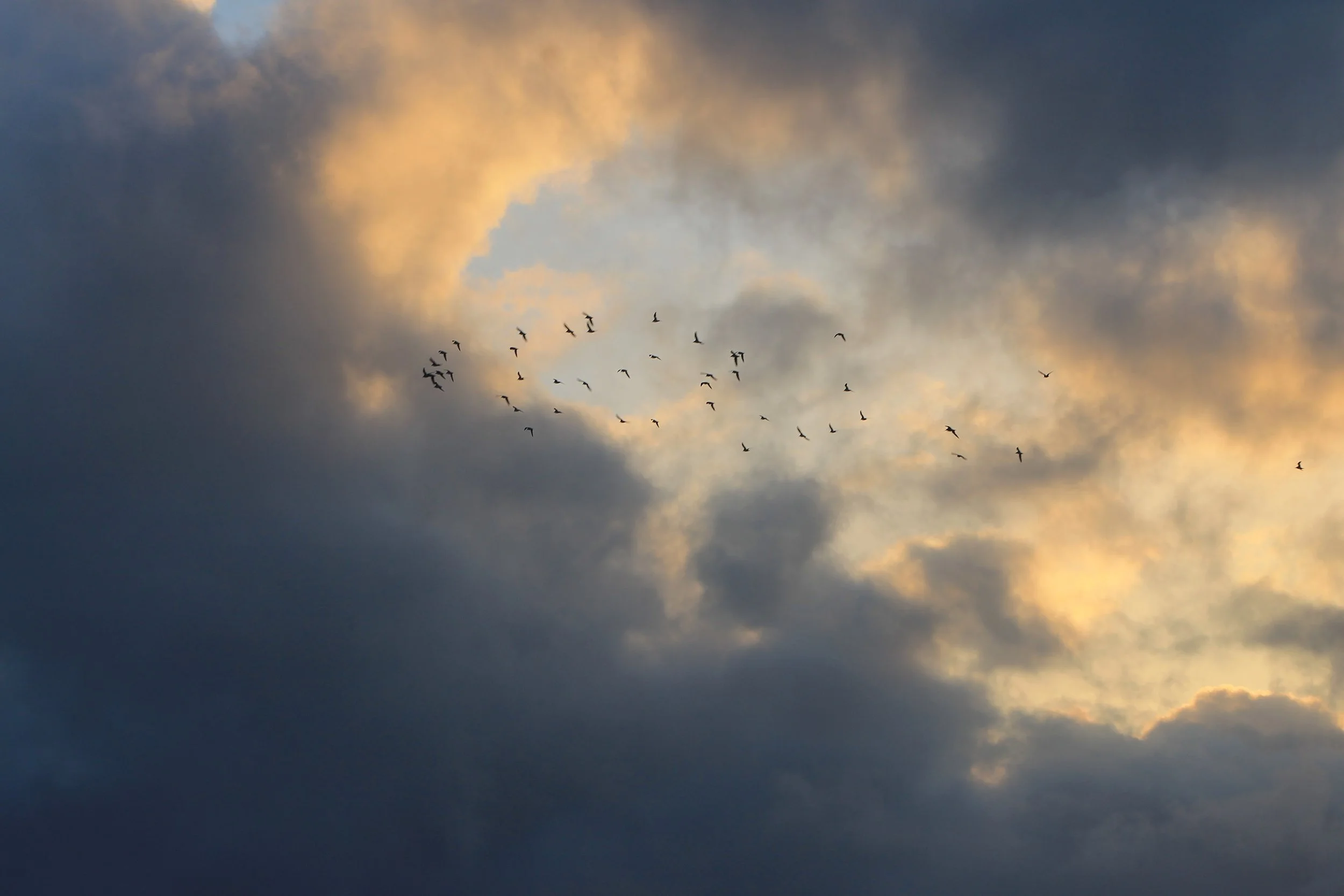
Another account associated with the name Manukau refers to the abundance of birds around the harbour, “Manukau Noa Iho”, meaning “just birds”. This speaks to a time when the harbour margins, mudflats, wetlands, islands, and coastal edges supported large numbers of manu, including migratory and coastal birds. These birds were not separate from the life of the harbour. They were part of the seasonal rhythm, food systems, tohu, and cultural identity of the place.
Another ancestral name associated with the harbour is Ngā Tai o Rakataura, recalling Rakataura / Hape, the tohunga of the Tainui waka. This name speaks to the harbour through currents, tides, movement, and ancestral navigation. It also reminds us that the Manukau was not a static place. It was a living seascape of waka travel, portages, fishing grounds, tohu, and spiritual knowledge.
For Ngāi Tai ki Tāmaki / Ngā Tai, the harbour is remembered as Te Manuka. Ngāi Tai ki Tāmaki settlement material records that their ancestors looked across the Tāmaki isthmus from Te Taututu and saw the waters of Te Manuka, now commonly known as the Manukau Harbour
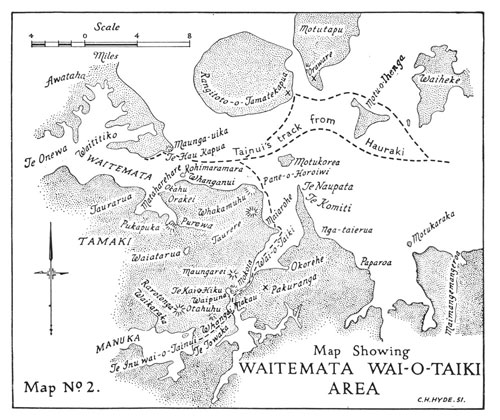
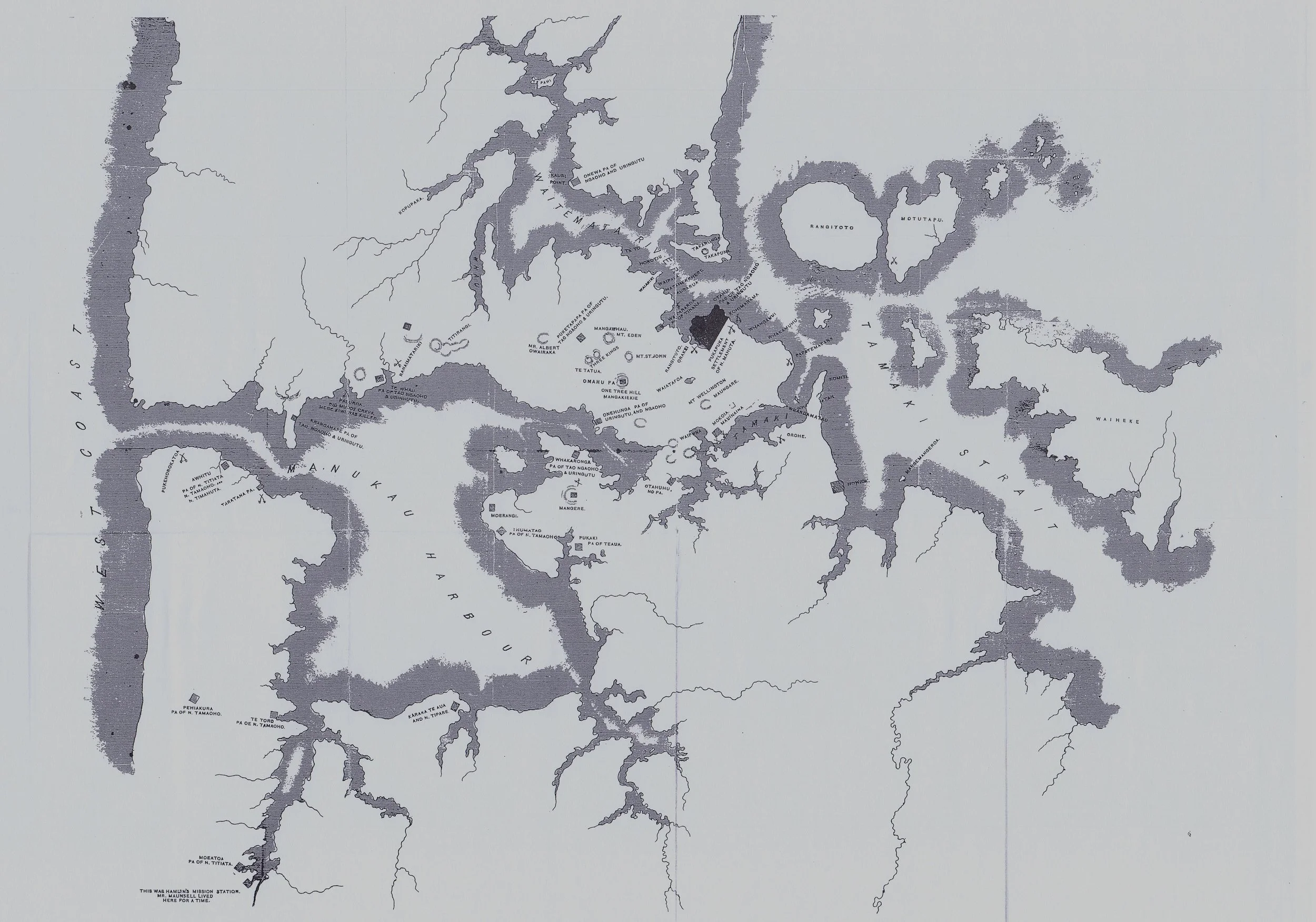
Names across the harbour - Ingoa Māori
The names around the Manukau Harbour are not simply labels. They hold memory, occupation, use, and whakapapa.
Māngere is associated with Ngā Hau Māngere, the gentle or lazy breezes. The area was a place of occupation and cultivation, with pā and gardens extending from Te Pane-o-Mataaoho / Te Ara Pueru / Māngere Mountain toward the harbour edge. Stonefield remnants at places such as Ootuataua speak to the long history of food production and settlement in this area.
Te Motu a Hiaroa / Puketutu Island is the largest island in the Manukau Harbour. It was occupied and cultivated by Waiohua and Ngā Oho ancestors from the earliest periods of settlement in Tāmaki Makaurau. The island is remembered as a tapu place with stonefields, food gardens, defensive features, and places of ceremony and turehu.
Ihumātao and the Ōtuataua Stonefields are among the most significant living cultural landscapes of the Manukau Harbour. They speak to generations of Te Waiohua settlement, cultivation, mahinga kai, navigation, and kaitiakitanga beside the harbour.
Around the harbour were seasonal fishing settlements and island-based kāinga. These places formed part of a wider network of occupation, seasonal use, fishing, gathering, and movement across the Manukau.
The waterways flowing into the harbour also carry deep ancestral associations. These streams connect inland pā, kāinga, wetlands, and gardens to Te Manukanuka o Hoturoa. These awa carried kai, people, waka, stories, mauri, and tapu from the whenua to the harbour.
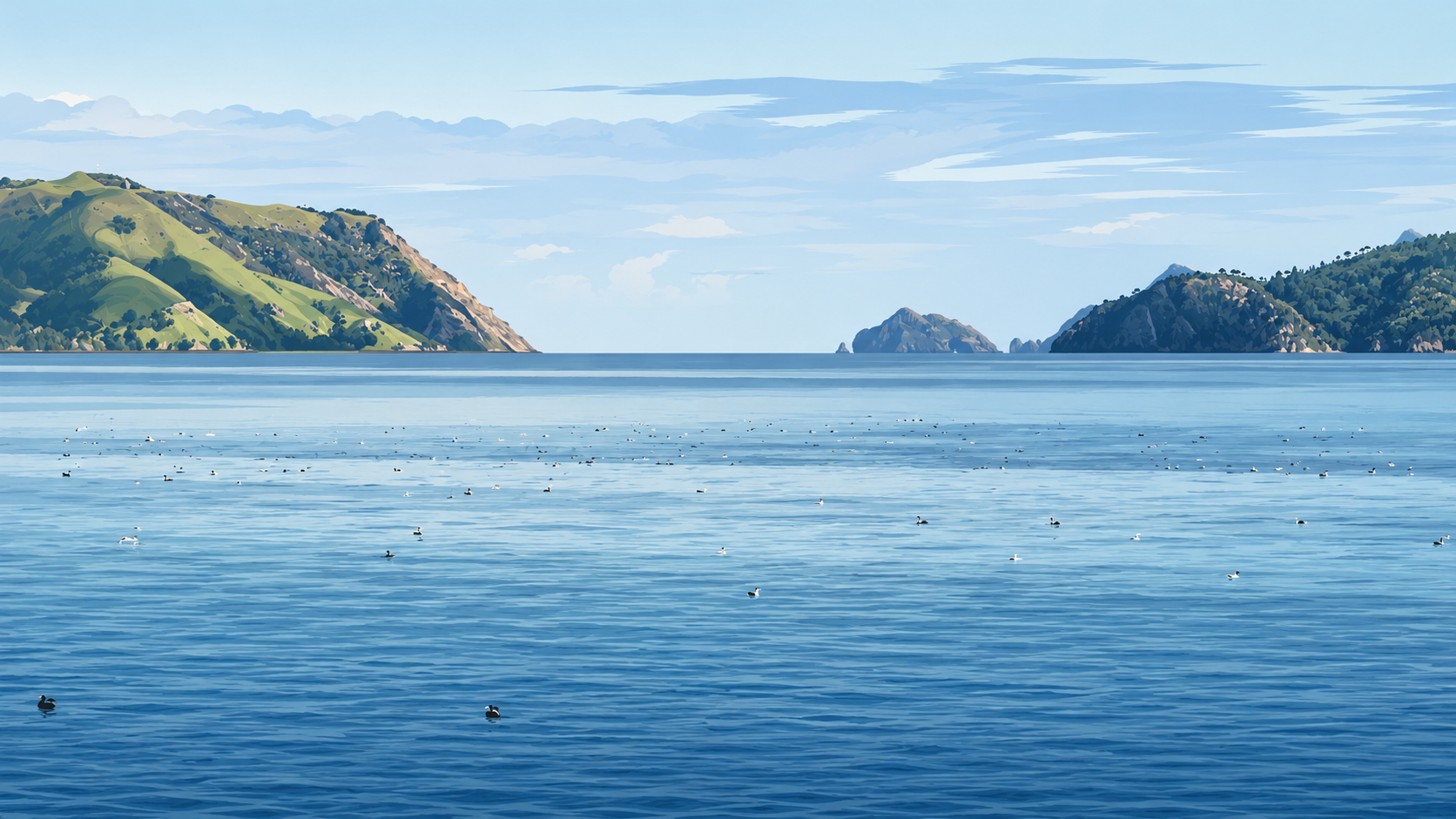
The harbour entrance and the guardians of the Manukau
The Manukau Heads are a place of immense natural power. The harbour entrance, its sand bars, cliffs, islands, and exposed coastline have long been understood as both beautiful and dangerous. Knowledge of the harbour mouth was essential for survival.
At the northern entrance are places of major spiritual and historical significance, including Paratūtai, Te Toka Tapu ā Kupe / Ninepin Rock, and Mārotiri / Cutter Rock. Collectively, these places are associated with Te Kupenga o Taramainuku, the fishing net of Taramainuku.
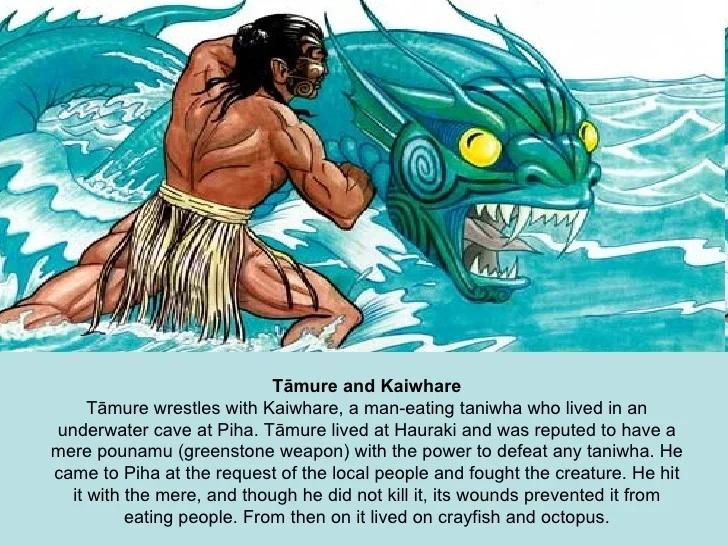
The small bay inside Paratūtai is known as Waitīpua, the bay of spiritual guardians. Traditions associated with this area speak of taniwha and guardians including Whatipu, Taramainuku, Paikea, Ureia, and Kaiwhare, who watch over the harbour, its entrance, and the surrounding coastline.
In Waiohua traditions, Kaiwhare is associated with the Manukau Harbour and the Hikurangi coast, taking the form of a great stingray or Orca. The shaping of the harbour’s sandbanks and channels is remembered through the movement of Kaiwhare. These taniwha are not simply mythical creatures in a western sense. They are expressions of mauri, warning, protection, tikanga, environmental knowledge, and the need to approach powerful places with respect.
Wai 8 and the call to protect the harbour
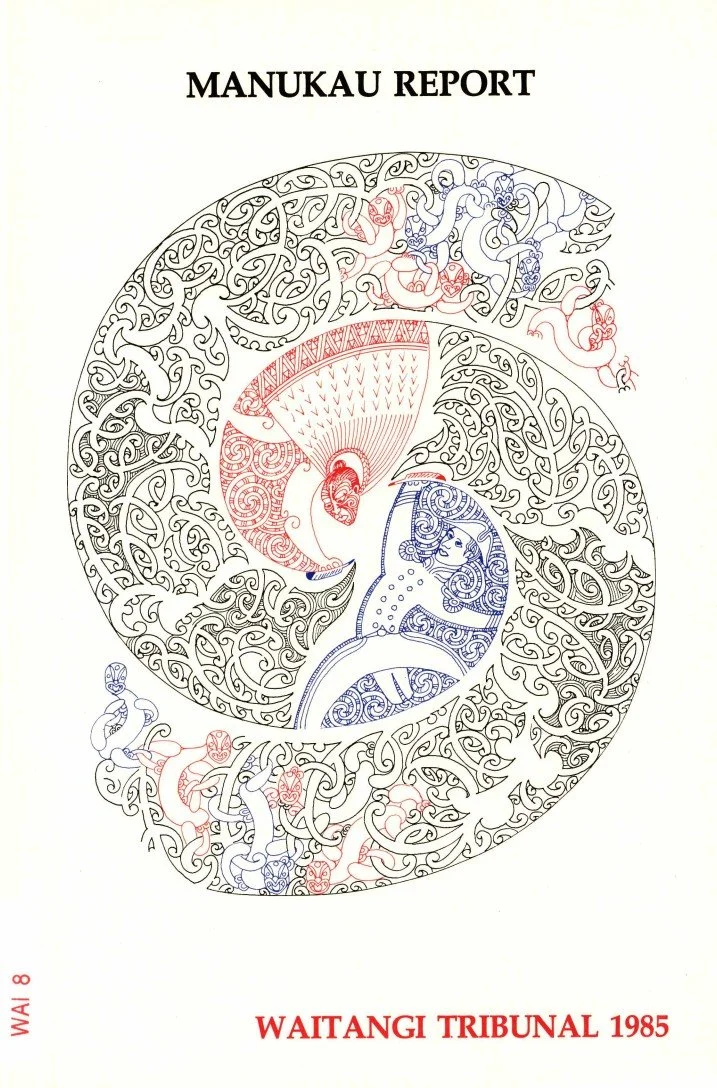
The Manukau Harbour has also been central to the modern history of Treaty claims and environmental justice. The Wai 8 Manukau Harbour Claim brought national attention to the degradation of the harbour and the impact of Crown actions, urbanisation, pollution, reclamation, sewage discharge, and loss of access on mana whenua relationships with the harbour.
For mana whenua, the harm to the Manukau was never only environmental. It was also cultural, spiritual, economic, and intergenerational. Damage to water quality, shellfish beds, fisheries, wāhi tapu, and traditional access affected the ability of whānau, hapū, and iwi to practise kaitiakitanga, manaakitanga, mahinga kai, and tikanga.
We acknowledge with deep gratitude Dame Nganeko Minhinnick, Carmen Kirkwood, the Huakina Development Trust, expert witnesses, whānau, hapū, iwi, and all those whose courage, evidence, and persistence carried the Wai 8 Manukau Harbour Claim forward for the protection of Te Manukanuka o Hoturoa.
The legacy of Wai 8 continues today. It reminds all communities around the harbour that restoration is not only about improving water quality or biodiversity. It is also about honouring Te Tiriti o Waitangi, recognising mana whenua relationships, restoring mauri, protecting cultural landscapes, and ensuring that future generations inherit a harbour that can sustain life.
Kaitiakitanga today
Kaitiakitanga of the Manukau Harbour continues through mana whenua advocacy, environmental monitoring, restoration planning, protection of wāhi tapu, cultural impact assessment, mātauranga Māori, education, planting, pest control, water quality work, and the revival of relationships between people and place.
Across the harbour, kaitiakitanga also includes practical action: restoring wetlands and riparian margins, protecting remaining shellfish and bird habitat, improving stormwater and wastewater impacts, supporting rangatahi and whānau participation, and strengthening public understanding of the harbour’s cultural history.
For the wider public, learning the names and stories of the Manukau is one way to begin a more respectful relationship with the harbour. Each ingoa carries history. Each awa, motu, inlet, pā, portage, and fishing ground is part of a larger cultural landscape. To care for the Manukau is to recognise that the harbour is alive, ancestral, and shared; but never ownerless.
The future of Te Mānukanuka o Hoturoa depends on restoring both its ecological health and its cultural standing. This means listening to mana whenua, respecting tikanga, protecting remaining taonga, and acting with the humility required of people who live beside a harbour with such deep memory.
This page draws on publicly available Treaty settlement material, statutory acknowledgements, the Wai 8 Manukau Report, mana whenua sources, and local histories.
It is intended as an educational overview and does not replace kōrero, mātauranga, tikanga, or authority held by mana whenua.